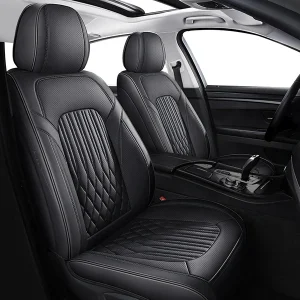
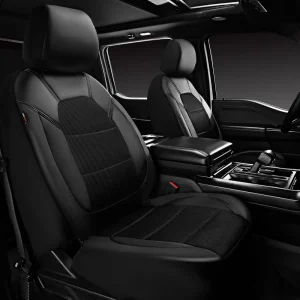
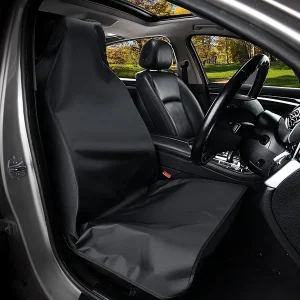
Long winter drives can punish your back, hips, and legs—especially in a truck that sees rough roads, thick clothing, and wet gear. The right Dodge Ram Seat Covers can help reduce winter driving fatigue by improving grip, warmth, and posture. Most drivers also want supportive seat covers that stay tight, feel comfortable for hours, and keep the cabin cleaner through snow season.
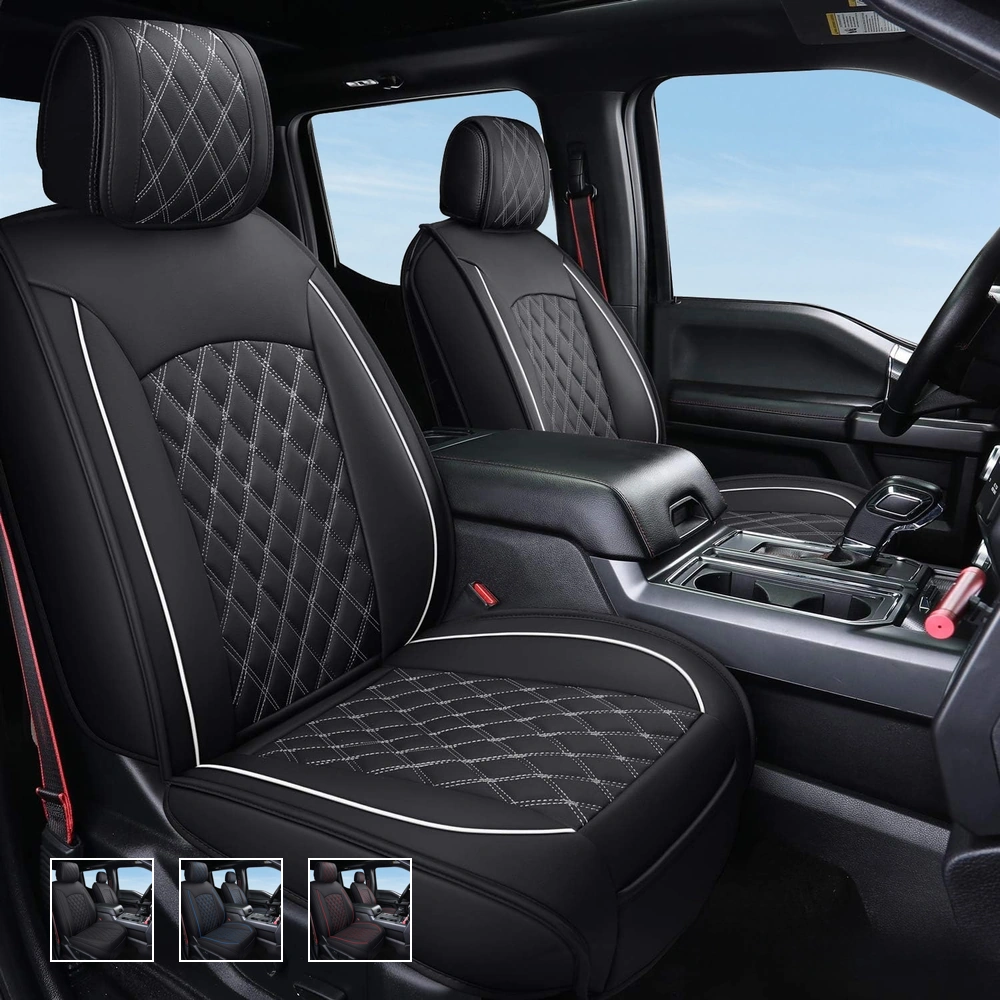
Cold weather changes how your body sits and reacts.
Typical winter fatigue triggers:
Good seat covers will not “fix” winter, but they can remove the daily annoyances that drain energy on long drives.
Seat covers help in two ways: comfort and stability. Protection is important, yet long-drive comfort is the reason many drivers upgrade.
What helps reduce fatigue the most:
When covers stay tight, you stop making constant micro-adjustments. That alone helps reduce winter driving fatigue.
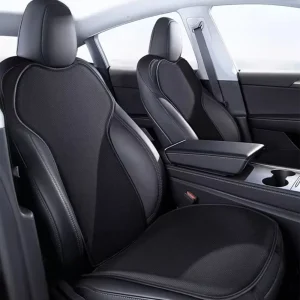
A lumbar support seat cover can keep your spine in a neutral position. Too much padding can feel soft at first, then cause pressure and heat build-up later.
Look for:
If you feel lower-back tightness after 45–60 minutes, support is usually the missing piece.
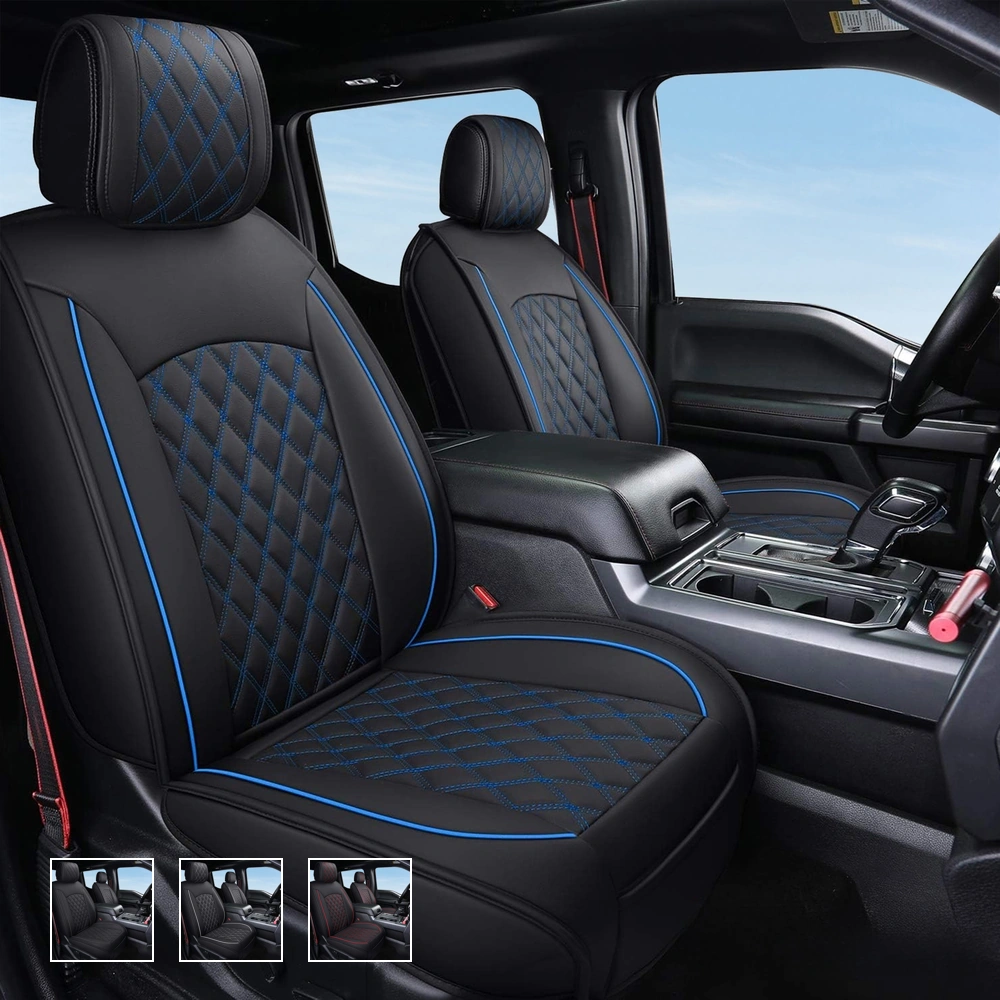
Fit is the foundation of comfort. A loose cover creates wrinkles, air gaps, and noise. Those problems turn into fatigue on long drives.
A strong Ram 1500 seat cover fit usually includes:
Quick fixes before replacing:
A tight fit often improves comfort more than switching materials.
Winter comfort is a balance: warm feel, grip, and easy cleaning.
Pros:
Watch-outs:
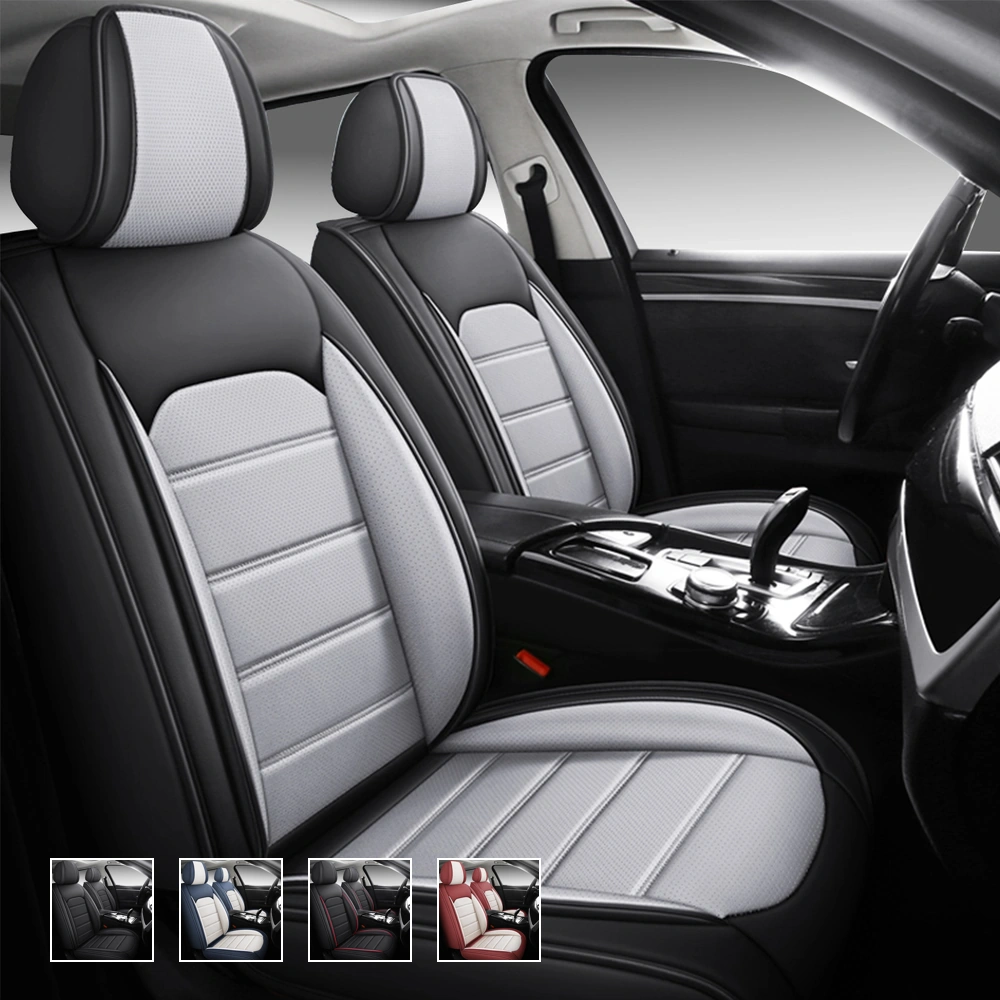
Pros:
Watch-outs:
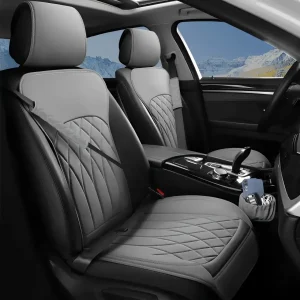
For many truck owners, leather-style can work very well in winter, but only when the fit is tight and the backing grips.
Even great covers can feel “off” if your setup is wrong. Use this pre-trip checklist before a long winter drive.
Thick jackets change your seating angle and shoulder position. Try this:
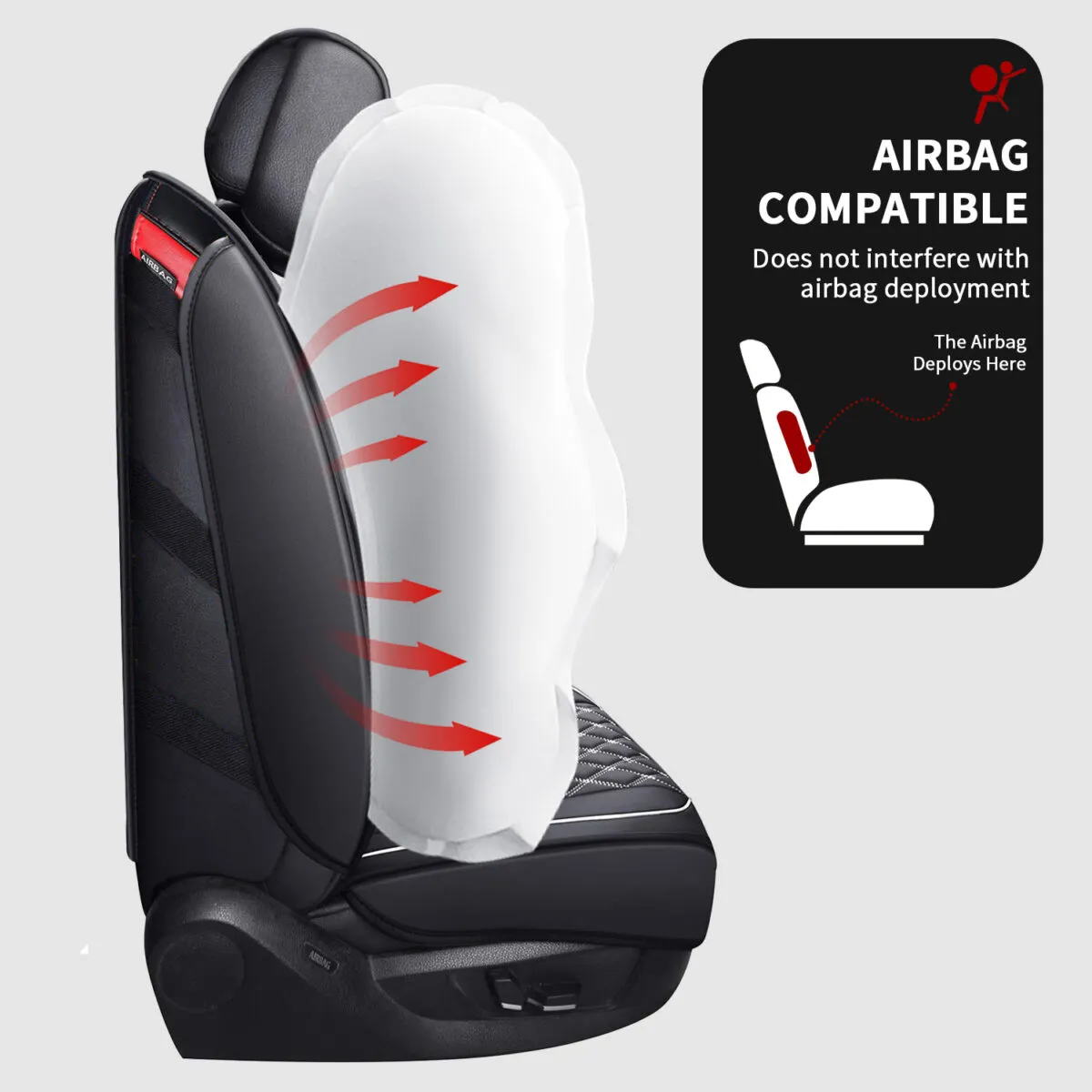
Many Ram trims use seat-mounted airbags. Choose covers designed for that setup.
Check for:
Safety should not be a trade-off.
Even with supportive seat covers, driving habits matter. These steps are simple and effective.
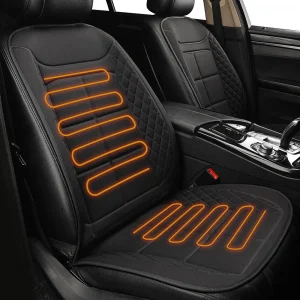
Turn on seat heat early, then reduce it after 10–15 minutes. Too much heat can cause sweating, then chills later.
Every 90–120 minutes:
This routine helps reduce winter driving fatigue more than most drivers expect.
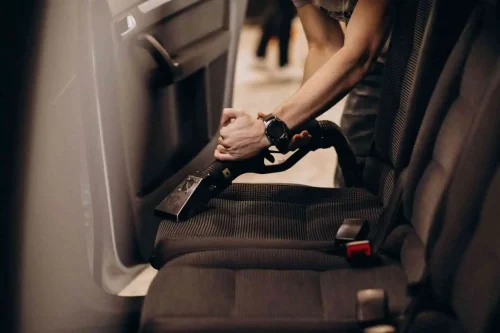
A wet cabin increases discomfort fast. Use rubber mats and keep a small towel for boots and seat edges. Dry air feels warmer and cleaner.

For long winter drives, you want three outcomes:
Covers4Car focuses on truck-friendly options that match real driving conditions, so you can choose based on your goal: more support, warmer feel, or easier winter cleaning.
If you tell me your Ram model/year (1500/2500/3500) and seat layout (front bucket or bench, rear split or bench), I can tailor this into a tighter version that matches that exact configuration and adds a more product-led CTA for covers4car.
Winter road trips feel easier when your seat setup keeps your body stable and relaxed. Start with Dodge Ram Seat Covers that fit your exact seat layout, because a tight fit reduces sliding, noise, and constant posture changes. Next, prioritize supportive seat covers with a balanced lumbar zone, since steady lower-back support is one of the fastest ways to reduce winter driving fatigue. Finally, pick a winter-friendly surface—easy to clean, not too slick, and comfortable from the first cold start—then pair it with smart habits like controlled seat heat, short movement breaks, and a dry cabin.
No account yet?
Create an Account